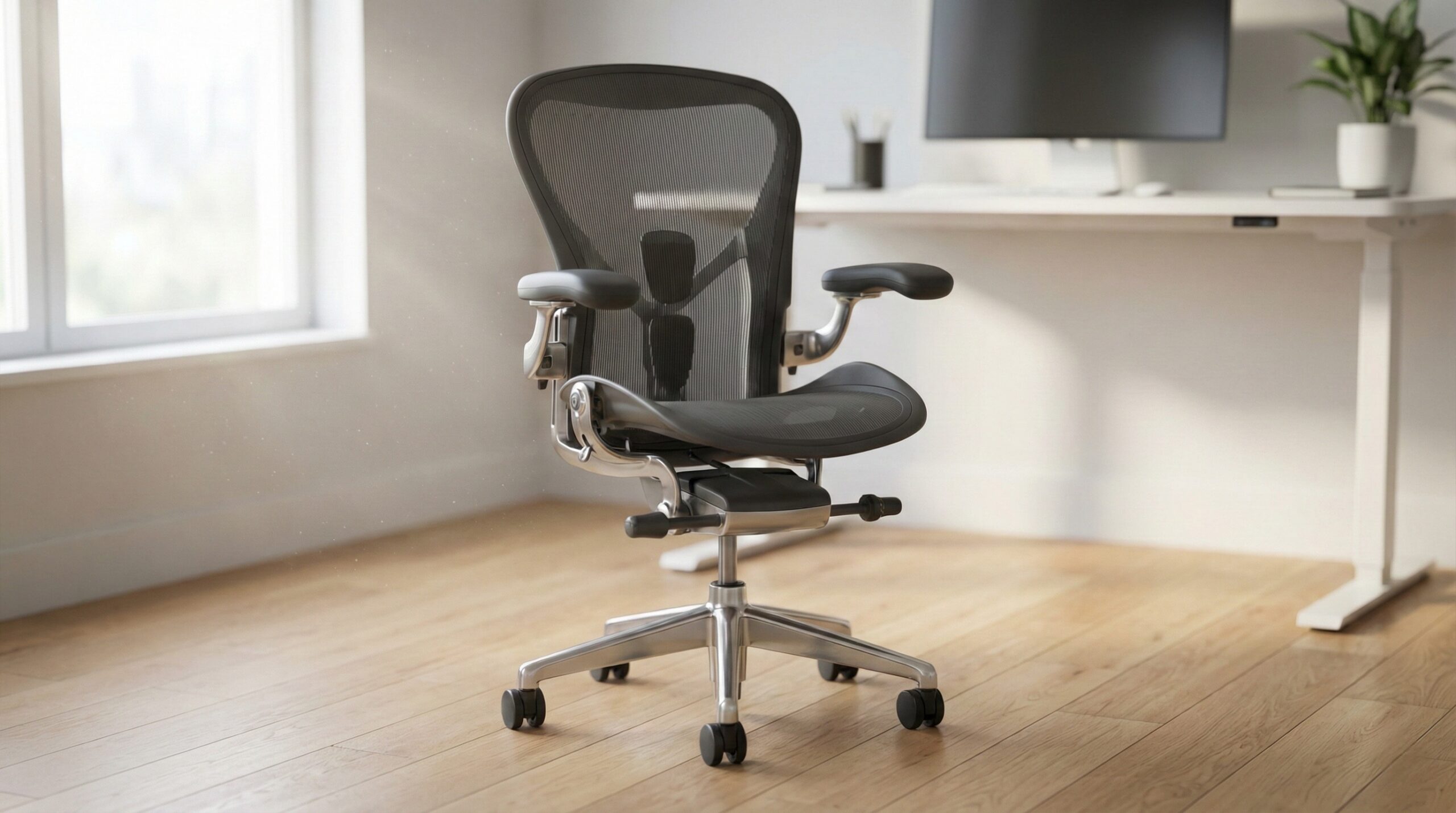
TL;DR
“Office chair butt” is usually a mix of pressure points from a poorly fitting seat and glute deconditioning from sitting too long — not a chair permanently changing your body. Start with a chair (or seat setup) that properly fits your height and thighs, uses supportive medium-firm cushioning, and lets you vary posture; then back it up with short standing/walking breaks and a little glute strengthening each week.
What “Office Chair Butt” Actually Is
“Office chair butt” is a catch-all phrase people use for two different problems that can feel similar:
- Seat pressure discomfort: soreness, aching, “hot spots,” or tailbone irritation from how the seat pan contacts your body (cushion density, shape, edge pressure, and fit).
- Deconditioning: that “my butt is flatter/weaker” feeling that comes from prolonged sitting and reduced glute activation over time.
Most of the time, it’s not that a chair is “reshaping” you in a permanent way. Evidence-based ergonomics guidance focuses on reducing prolonged, unbroken sitting and improving workstation fit so pressure and strain aren’t concentrated in one place for hours. Sources like Cleveland Clinic’s explainer on office chair butt frame the issue primarily as prolonged sitting and decreased muscle engagement, while organizations like NIOSH ergonomics guidance and the OSHA computer workstation eTool emphasize fit, posture, and regularly changing position.
In practical shopping terms, “office chair butt” usually improves fastest when you stop treating the chair like a plush couch and start treating it like a support surface that needs to match your body:
- Seat height that allows feet to be supported (floor or footrest) so you’re not sliding forward or loading the tailbone.
- Seat depth that leaves about 2–3 fingers of space behind the knee so the front edge doesn’t compress the underside of your thighs.
- Supportive cushioning (often medium-firm, high-density foam) that doesn’t “bottom out” after an hour or two.
- A non-digging front edge (often called a waterfall edge) that reduces thigh pressure, which can contribute to numbness/tingling for some people.
- Posture variety (tilt/recline or multi-posture sitting) to reduce constant pressure on the same tissues.
If you’re feeling numbness, tingling, radiating pain down the leg, or worsening tailbone pain, treat that as a “change something now” signal: re-check height/depth, reduce edge pressure, take more frequent short breaks, and consider getting help from a clinician (and/or a certified ergonomist or occupational therapist) if it persists. The goal is less continuous compression and a better fit — not just “more padding.”
Who “Office Chair Butt” Fits Best
If you searched “office chair butt,” you’re probably in one of these buckets — this guidance fits best if:
- You sit for long stretches (3–8+ hours/day) and notice soreness building after 60–120 minutes in the same position.
- Your current chair seat feels like it collapses (you can feel the hard base under you), or it forces you to perch on the front edge.
- You alternate tasks (typing, calls, reading) and want a setup that supports changing posture instead of locking you into one “perfect” position.
- You want comfort without the “sink”—i.e., pressure relief plus enough support that you’re not dumping load into your tailbone and hips.
One path that works well for some home office workers is a multi-posture chair that lets you sit differently throughout the day (including tucking a leg up or sitting cross-legged for short periods), especially if your discomfort is partly from staying frozen in one position. As one owner put it: “I LOVE this chair. I was looking for a chair for my makeup vanity desk that I could lounge in” — verified buyer, 5 stars.
That quote isn’t “proof” a chair fixes butt pain on its own, but it matches what ergonomics guidance tends to reward: variety. If a chair design makes it easier to change positions (and you still keep your feet/hips supported), it can reduce the constant pressure that makes “office chair butt” feel worse.
Who Should Skip “Office Chair Butt” Solutions
You should be cautious — or skip “chair-first” thinking — if any of these are true:
- You have persistent numbness/tingling or radiating pain. That can indicate nerve irritation or circulation issues from sustained compression. Adjusting fit and taking frequent breaks becomes non-negotiable, and medical guidance may be appropriate if symptoms don’t improve.
- Your pain is sharp and consistent at the tailbone, especially if a chair’s rear seat edge feels hard. You may need a different seat shape (or a coccyx-friendly cushion) and posture changes rather than simply “more padding.”
- You want a single purchase to “reverse flattening.” A better chair can improve comfort quickly, but rebuilding glute strength and endurance usually takes movement plus basic strengthening (bridges, squats, lunges) a few times a week.
- You dislike limitations in adjustability. Some comfort-first chairs trade away precise back/arm adjustment, which can matter if you’re trying to dial in a very specific workstation setup.
Also pay attention to user reports about adjustability limits before you assume a comfortable-looking chair will fit your needs. For example, one buyer noted: “Love the chair and all the adjustable pieces. I do wish the back rest was adjustable to push it further back and the arms had adjustable heights.” — verified buyer, 4 stars.
If your current problem is clearly about poor desk/chair fit (wrong height, too-deep seat, feet dangling), you may get more relief from correcting the setup — using guidance like the OSHA computer workstation eTool—than from swapping chairs blindly.
Price and Value
In the chair market, “butt comfort” tends to correlate less with fancy marketing and more with a seat pan that’s supportive, sized correctly, and still comfortable after hours. Unfortunately, that isn’t always obvious on day one of ownership.
For the featured multi-posture option we’ve seen commonly considered for lounging-style sitting, pricing typically lands around $350–$400. At that level, the value question becomes:
- Are you buying pressure distribution and fit? (seat height/depth that works for you, supportive foam, non-digging edge)
- Or are you buying a vibe? (wide seat, lounge posture, aesthetics) that may or may not solve long-session discomfort
If your main issue is pressure points, prioritize the seat’s long-session comfort over extras like headrests, flashy lumbar mechanisms, or tall backrests. If your main worry is “flattening”, a chair alone is a weak value proposition — pair any chair upgrade with consistent movement. Guidance from sources like NIOSH generally supports the “reduce continuous exposure” approach: change posture, break up sitting time, and keep the workstation fitted to your body.
Common Mistakes When Trying “Office Chair Butt” Fixes
- Buying the softest seat you can find. Too-soft cushions can bottom out, concentrating load on the tailbone and creating new hot spots. Many people do better with medium-firm support that stays consistent over time.
- Ignoring seat depth. If the seat is too deep, you’ll slide forward or lose back support; if it’s too shallow, you may get concentrated pressure under the sit bones. Aim for that 2–3 finger gap behind the knee.
- Setting chair height based on desk height (not your legs). If raising the chair helps your elbows but makes your feet dangle, your thighs take more edge pressure and your pelvis position can get weird fast. A footrest is often the simplest fix.
- Locking into one position all day. Even a “perfect” setup can become uncomfortable if you never unload tissues. A simple rule — stand or walk 1–3 minutes every 30–60 minutes — often helps more than people expect (and aligns with mainstream ergonomics guidance).
- Expecting adjustability to compensate for a seat you dislike. If the seat pan doesn’t agree with your body, more knobs won’t save it.
One common “mistake signal” we see in home office worker reviews is when someone likes the chair overall but immediately bumps into fit limits that affect comfort over time: “Love the chair and all the adjustable pieces. I do wish the back rest was adjustable to push it further back and the arms had adjustable heights.” — verified buyer, 4 stars.
If you’re troubleshooting butt discomfort, treat that kind of feedback as a cue to check whether the chair’s adjustments match your needs (especially back angle, arm height, and whether the seat encourages you to perch vs. sit back).
FAQ
Is “office chair butt” permanent?
Usually no. The “flattened” feeling is commonly linked to prolonged sitting and reduced glute engagement, and it often improves when you sit less continuously and add basic glute strengthening. For an overview of what people mean by “office chair butt,” see Cleveland Clinic’s office chair butt explainer.
Should I buy a softer chair to stop butt pain?
Not always. Very soft seats can bottom out, which may increase pressure on the tailbone and create sharper pressure points. Many people do better with a supportive, medium-firm cushion and a seat shape/edge that doesn’t dig into the thighs.
How do I set chair height and seat depth to reduce numbness or soreness?
Start with height: feet supported (floor or footrest), knees roughly level with hips, and you’re not sliding forward. Then set seat depth so you have about 2–3 fingers of space behind the knees. The OSHA computer workstation eTool is a solid reference for fit basics that affect comfort and circulation.
Can a chair alone fix the “flat butt” look?
A chair can improve comfort and reduce aggravating pressure, but it won’t rebuild strength by itself. If your goal is restoring glute strength/shape, pair any chair upgrade with 2–3 short strength sessions per week (bridges/hip thrusts, squats, lunges) and more movement breaks during the workday.
What’s the quickest change I can make today for tailbone pain?
First, stop “pushing through” sharp pain. Try a slight recline to reduce direct tailbone loading, sit fully back in the seat (so you’re supported), and take short standing breaks more often. If your chair’s rear edge is hard or the seat bottoms out, consider a coccyx-friendly cushion as a temporary pressure relief tool while you sort out a better-fitting seat.
When should I talk to a clinician about numbness or tingling from sitting?
If numbness/tingling is persistent, worsening, or accompanied by radiating pain, don’t treat it as a normal desk-work inconvenience. Change the setup (height/depth, reduce edge pressure, take frequent breaks) and consider medical guidance if symptoms continue. Ergonomics resources like NIOSH emphasize reducing exposure to sustained awkward or high-pressure positions, but ongoing neurologic symptoms deserve individual evaluation.
Looking for these on Amazon? Browse office chair butt on Amazon →
Bottom Line
“Office chair butt” is usually fixable: get the seat fit right (height, depth, supportive cushioning, non-digging front edge), then break up sitting time so you’re not compressing the same tissues for hours. If your concern is “flattening,” a better chair helps comfort, but consistent movement and glute strengthening are what change the underlying deconditioning.
Affiliate disclosure: This page includes affiliate links. Purchases through these links support our work at no added cost.