TL;DR
A mesh office chair can be a smart pick if you run hot or want a supportive backrest that doesn’t trap heat — but comfort still comes down to fit and adjustability, not the word “mesh” on the listing.
We’d start with seat fit (width, depth, front-edge pressure) and then prioritize posture-changing adjustments (seat height, seat depth, recline tension/limit, and armrests). If you can swing it, a reputable refurbished premium mesh chair can deliver the best long-term value — just inspect condition and warranty carefully.
What a Mesh Office Chair Actually Is
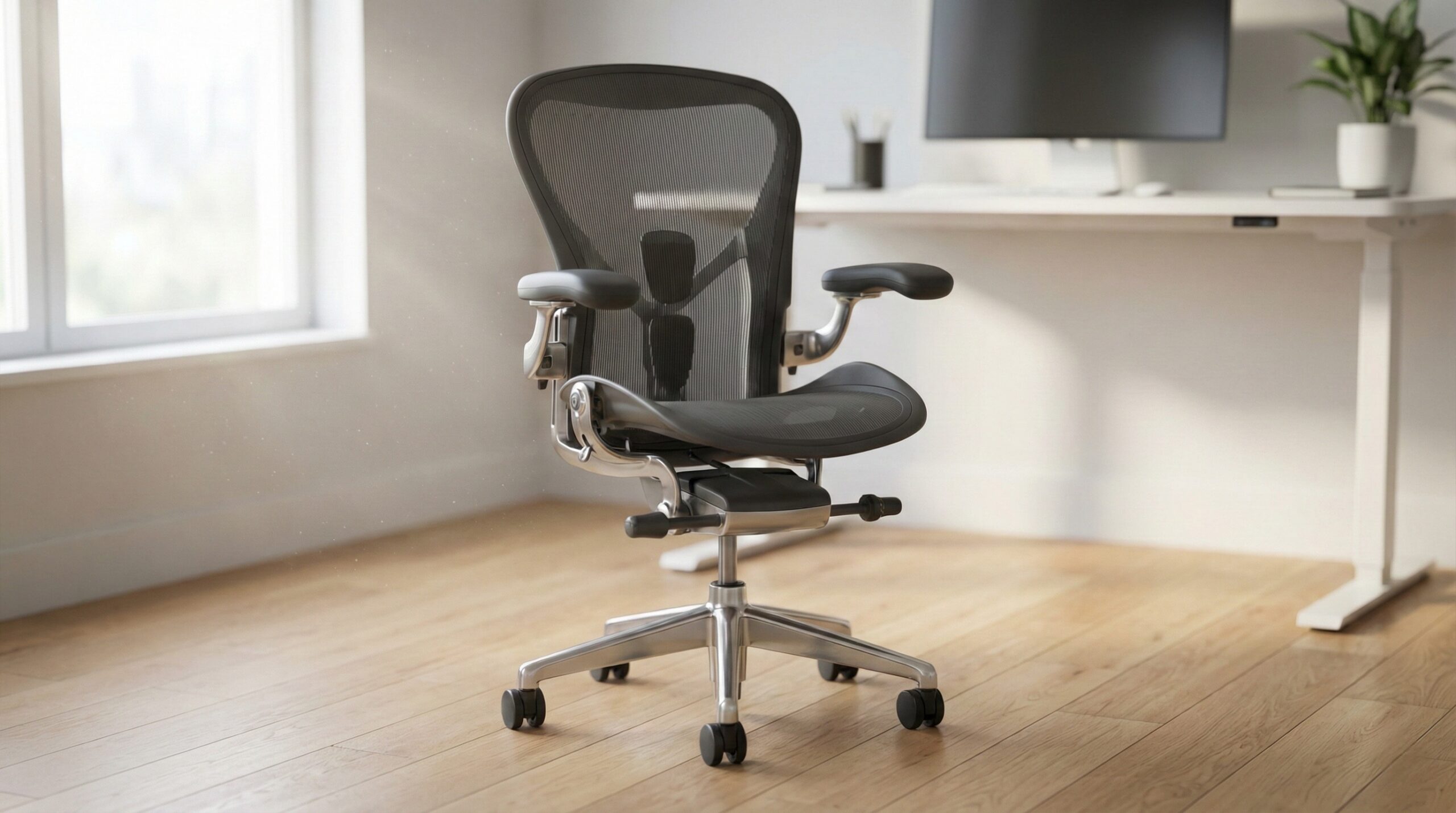
A “mesh office chair” isn’t one single design — it’s a category label sellers use for chairs that include a woven, flexible mesh panel somewhere on the chair (usually the back). In practice, you’ll see two main constructions:
- Mesh back + foam/fabric seat: The backrest is mesh for airflow and flexible support, but the seat is a traditional padded cushion. This is the most common “mesh chair” you’ll see online.
- All-mesh (mesh back and mesh seat): Both the back and the seat use tensioned mesh. This is the style people are usually thinking of when they say they want maximum cooling.
Here’s the important part: mesh is a material choice, not an ergonomics guarantee. Two mesh chairs can feel wildly different based on tension (how tight the mesh is), the frame shape supporting it, and how the chair fits your body proportions. A tighter mesh can feel firmer and more “held up,” while a looser mesh can feel hammock-like — sometimes comfortable at first, but potentially less supportive over long sessions if it starts to sag.
Also, many comfort complaints people blame on “mesh” are really about seat pan fit and front-edge pressure. If the seat is too deep, the front edge can press behind your knees. If it’s too shallow, you don’t get enough thigh support. Even on premium chairs, if the seat dimensions don’t match your legs and hips, you can end up fidgeting all day.
For shopping, we like to use a simple formula:
Good mesh chair = correct seat fit + adjustability that changes posture + durable build + breathable materials where it matters.
Finally, remember that “ergonomic” and “pain-relief” claims can be overstated. Evidence-based ergonomics guidance generally emphasizes neutral posture, proper workstation setup, and adjustability to fit different bodies and tasks. For practical workstation and chair setup basics, we trust resources like OSHA computer workstation guidance and broader risk-factor context from NIOSH ergonomics information.
Who Mesh Office Chairs Fit Best
Mesh chairs tend to work best for home office workers who care about temperature management and want a backrest that feels responsive as they recline and shift positions. They’re especially appealing if:
- You run warm while working (warm room, no AC, computer-heavy tasks, or just naturally “hot sleeper” energy during the day).
- You prefer a firmer, more supportive feel over a plush, sink-in cushion.
- You change postures during the day and want the chair to support small movements — upright typing, slight recline for calls, deeper recline for thinking/reading.
- You’re willing to adjust the chair (seat height, arms, recline tension). Mesh chairs reward dialing them in.
Premium mesh models can also be a great fit if you’re sitting long hours and want a chair engineered around long-term durability. In home office worker reviews, higher-end chairs are often described as arriving in unusually good refurbished condition when you buy from the right listing/seller. For example: “it came in yesterday and I have to say I am happy with my purchase. The chair looks practically new and I believe most of the parts are brand new.” — verified buyer, 5 stars
If you’re shopping specifically for cooling, confirm whether you’re getting mesh on the seat (or a very breathable seat material). A mesh back helps, but your seat is where heat and pressure can build over long sessions.
Who Should Skip Mesh Office Chairs
Mesh isn’t automatically better. You may be happier with a cushioned upholstered chair (or a mesh-back + cushioned-seat hybrid) if any of these sound like you:
- You strongly prefer plush cushioning or you dislike a firmer “suspended” feel under your thighs.
- You have skin/clothing sensitivity—some mesh weaves can feel abrasive, especially with shorts or thinner fabrics.
- You want a soft landing for very long sits and don’t want to think about tension, lumbar positioning, or dialing in recline resistance.
- You’re buying refurbished but need zero hassle; condition variance and parts wear are real risks.
It’s also worth being honest about durability: budget mesh chairs can develop wobbles or noise, and refurbished premium chairs can arrive with issues depending on the seller. One critical user report that highlights why return policies and warranty matter: “Lever handle broke off almost immediately, cable for leaning function never worked from the start” — verified buyer, 1 stars
If you’re already dealing with persistent pain, numbness, or tingling, a chair swap alone may not be the full solution. That’s a good moment to talk with a certified ergonomist or occupational therapist and revisit your whole setup (desk height, keyboard/mouse placement, monitor position), not just the chair.
Price and Value
Mesh office chair pricing spans a huge range, and the differences aren’t just branding — materials, mechanisms, and quality control tend to scale with price.
- Budget mesh chairs (~$100–$200): You’ll often get a mesh back, a foam seat, and basic adjustments (height, sometimes tilt tension). This range can work for lighter daily use, dorm/guest setups, or shorter sessions, but it’s where you’ll see more reports of looseness, squeaks, and limited fit options.
- Midrange (~$200–$500): Typically better mechanisms, more consistent assembly tolerances, and sometimes seat-depth adjustment or improved armrests — features that help you sit neutrally rather than “making do.”
- Premium (~$600+): This is where chairs commonly aim for long-term serviceability (parts availability, rebuildability) and better engineering around recline, support, and durability.
From the products we’re referencing here, the pricing looks like this:
- Herman Miller Aeron (Size B listing): typically $650–$700 for the referenced option, with refurbished units often available elsewhere for less (condition and warranty vary).
- SIHOO M18: typically $125–$150, often chosen as a lower-cost mesh-back ergonomic chair.
Value tip: if you’re considering refurbished premium mesh chairs, treat the seller and support terms as part of the product. Look for clear grading, a meaningful return window, and a warranty you can actually use. For durability expectations, it’s a plus when chairs are built to recognized performance standards like BIFMA seating standards information (many office chairs reference ANSI/BIFMA X5.1 testing in their materials, though not every listing makes it obvious).
Common Mistakes When Trying Mesh Office Chairs
Most “mesh chair disappointment” comes from a few predictable missteps. Here are the ones we see most often in buyer feedback and home office setups:
- Assuming mesh-back = cool seat. Many mesh chairs have a padded seat that can still run warm. If cooling is the goal, verify whether the seat is breathable (all-mesh, or a very airflow-friendly cushion design).
- Ignoring seat depth and front-edge comfort. If the seat pan is too long, you’ll feel pressure behind the knees; too short, you’ll slide forward and lose back support. This matters more than most people expect.
- Leaving armrests too high (or too far out). High arms push shoulders up; arms too wide flare elbows out. Either can drive neck/upper back fatigue during keyboard work.
- Cranking recline tension and never using it. A good mesh chair should support a usable tilt range — upright for task work, slight recline for comfort. If you lock it rigidly upright all day, you may miss one of mesh’s biggest comfort benefits.
- Buying refurbished without checking the “failure points.” On premium mesh chairs, inspect (or be ready to return for) noisy mechanisms, damaged levers/cables, worn cylinders, or uneven mesh tension. A single broken control can ruin the experience, as one user report puts it: “Lever handle broke off almost immediately, cable for leaning function never worked from the start” — verified buyer, 1 stars
If you want a quick setup baseline after you buy, start with the basics: feet flat (or on a footrest), thighs roughly level, and elbows supported without shrugging. OSHA’s guidance is a solid reference for chair and workstation positioning: OSHA computer workstation guidance.
FAQ
Is a mesh office chair good for long hours?
It can be — if the chair fits your seat dimensions and has adjustability that changes posture (seat height, seat depth if needed, recline tension/limit, and armrests). If the seat pan is the wrong depth or the armrests don’t adjust well, long sessions can feel rough even on a “nice” mesh chair. If discomfort persists, consider talking with a certified ergonomist or occupational therapist and checking your whole workstation setup using resources like OSHA computer workstation guidance.
Do mesh seats sag over time?
They can. Sag depends on mesh quality, how the mesh is tensioned and supported by the frame, user weight distribution, and how many hours a day you’re in the chair. Higher-quality chairs and stronger warranties lower the risk, but any flexible material can loosen with years of use. If you’re buying refurbished, pay extra attention to uneven tension and “bottoming out” feel.
Is a mesh-back chair with a foam seat still worth buying?
Yes — this design is common for a reason. A mesh back can reduce sweaty-back discomfort, while a foam seat can feel more forgiving than a mesh seat for some bodies. Choose all-mesh mainly when you want maximum breathability on both your back and your seat.
What adjustments matter most on a mesh office chair?
Prioritize (1) seat height, (2) seat depth if you’re shorter/taller than average or often feel knee pressure, (3) recline tension plus a tilt limiter/lock you’ll actually use, and (4) armrests that adjust high/low and ideally in/out or pivot. These are the adjustments most likely to help you maintain a neutral posture over time, consistent with general ergonomics guidance from NIOSH ergonomics information.
How do I know if the seat depth is right?
Sit back so your pelvis is against the backrest support, then check the gap between the front edge of the seat and the back of your knees. A small gap is typical; you don’t want the seat pressing into the knee area, and you don’t want so much gap that your thighs lack support. If a chair offers seat-depth adjustment, it’s a big help for dialing this in.
Should I buy a refurbished premium mesh chair?
Refurbished can be a strong value if the seller is reputable and the return policy is real. Before you commit, look for clear condition grading, what parts were replaced, whether the warranty is through the seller or manufacturer, and who pays return shipping. Also be ready to inspect the chair quickly for mechanism issues, unwanted noise, and uneven mesh tension. Durability claims are more meaningful when a chair references recognized testing; BIFMA offers background on seating standards here: BIFMA seating standards information.
What’s the biggest shopping mistake people make with mesh chairs?
Buying on “mesh” alone without checking seat fit and adjustability. If the seat pan is the wrong size or the armrests can’t get into a comfortable range, airflow won’t fix it. Also, many listings call themselves “mesh” even if only the back is mesh — so confirm what’s actually breathable if cooling is your priority.
Looking for these on Amazon? Browse mesh office chair on Amazon →
Bottom Line
A mesh office chair is a great choice when you want airflow and a supportive, responsive backrest — but you’ll only get the benefit if the seat fits you and the chair’s adjustments let you change posture comfortably.
Focus on seat dimensions and the key adjustments first, then weigh build quality and warranty (especially for refurbished). If you’re unsure, a certified ergonomist or occupational therapist can help match your chair and workstation to your body and work style.
Affiliate disclosure: This page includes affiliate links. Purchases through these links support our work at no added cost.