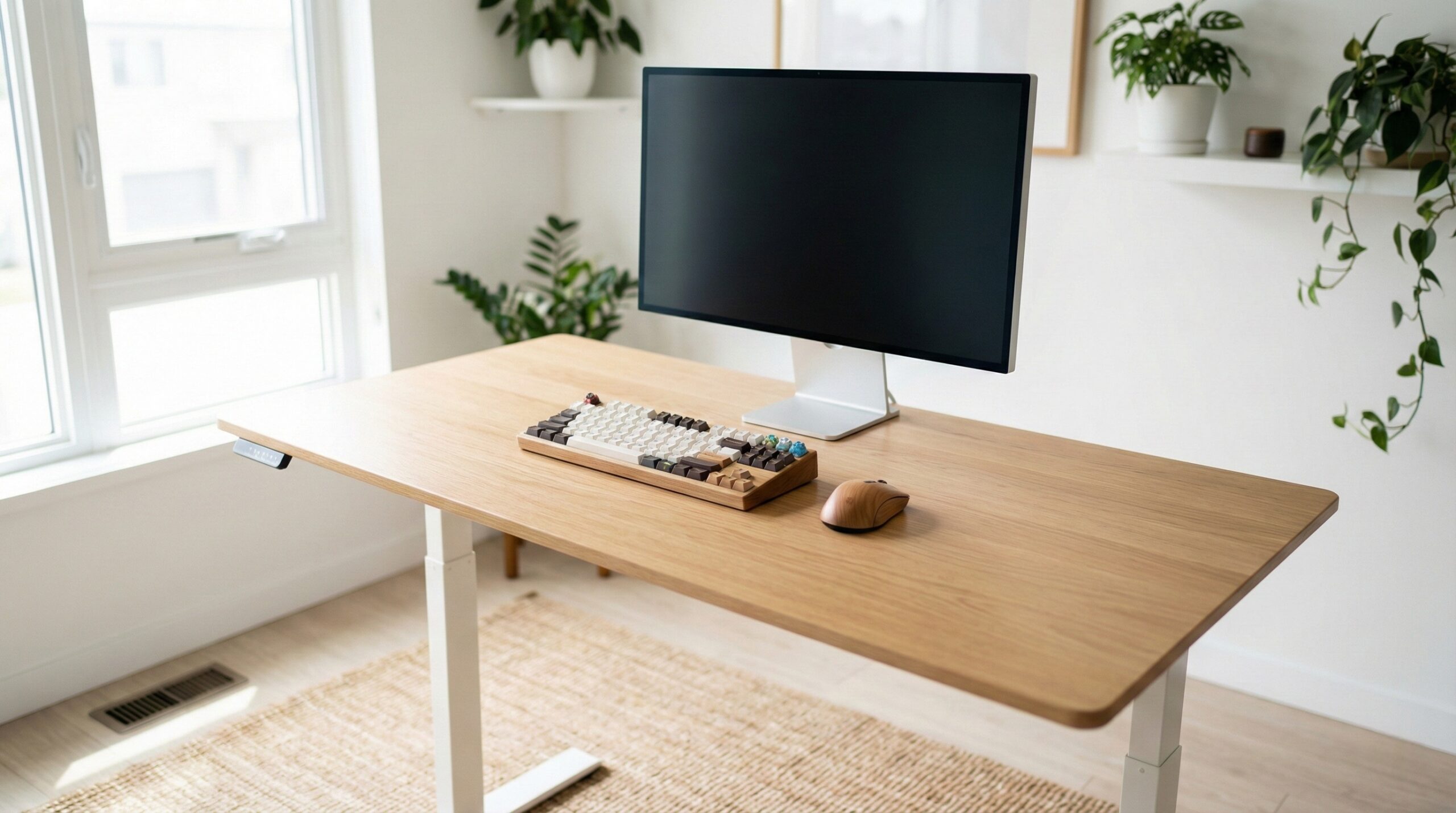
TL;DR
If you want “Grovemade alternatives for minimalist desks,” start by choosing the category you’re replacing (monitor stand/desk shelf vs. laptop stand vs. organizers), then measure your desk depth and screen setup so you don’t pay for something that looks great but hurts comfort. For a similar premium-minimal vibe, brands like Artifox (high-end) and purpose-built pieces like the Spacet Laptop Stand can fit the aesthetic — just prioritize stable materials, sensible dimensions, and ergonomic positioning over extra accessories.
What Grovemade Alternatives for Minimalist Desks Actually Is
“Grovemade alternatives” isn’t one product — it’s a style-and-function target. Most people mean one (or more) of these Grovemade-adjacent categories:
- Desk shelf / monitor stand: raises your display and creates a small “garage” space underneath for a keyboard, notebook, or dock.
- Laptop stand / riser: lifts a laptop to a better screen height—but only makes ergonomic sense when paired with an external keyboard and mouse.
- Desk mat and organizers: visual calm and scratch protection; may help friction, noise, and “everything has a place” organization.
- Cable management: under-desk trays/clips that keep a minimalist surface from turning into a spaghetti situation.
So an “alternative” really means: a different brand or build that delivers the same clean, minimal look (wood + metal, matte finishes, tight tolerances) while still solving a specific problem — usually screen height, usable desk space, or clutter.
The formula we use for choosing the right minimalist-desk alternative looks like this:
Your setup (monitor vs laptop) + your desk depth + your input devices → determines whether you should buy a desk shelf, a compact monitor riser, a laptop stand, or skip stands entirely and go with a monitor arm.
From an ergonomics standpoint, general workstation guidance (including what you’ll see reflected in resources like OSHA computer workstation guidance and widely used workstation standards such as ANSI/HFES 100) boils down to a few practical checkpoints:
- Screen height: aim for the top of the display roughly at or slightly below eye level (adjust to your body and vision needs).
- Neutral input posture: if you raise a laptop screen, you typically need an external keyboard and mouse so your wrists and shoulders aren’t forced into awkward angles.
- Reach and depth: a beautiful shelf can be a problem if it steals the front-to-back depth you need for comfortable keyboard and mouse placement.
In other words: Grovemade-style minimalism works best when it’s minimal + functional, not minimal + stacked add-ons. If a stand doesn’t improve screen position or reclaim space, it’s easy to end up paying premium prices for “minimalist clutter.”
Who Grovemade Alternatives for Minimalist Desks Fits Best
This category tends to fit best if you’re aiming for a warm, modern home-office look (wood + metal) but you also want improvements you can feel day to day — cleaner cables, better screen height, and a less chaotic desktop.
- You use an external monitor and want a cleaner surface: A monitor stand or desk shelf can create a landing spot for small items and free up visual space.
- You work at a smaller desk and need to protect usable depth: Choosing a shallower stand (or skipping a shelf in favor of a monitor arm) can keep your keyboard/mouse zone comfortable.
- You’re laptop-first but willing to use external peripherals: A laptop stand can help get the screen up—as long as you also use an external keyboard and mouse.
- You’re design-sensitive and want fewer, nicer pieces: Buying one high-impact item (stand or cable management) often beats buying five small organizers that don’t change how you work.
If you’re considering a premium minimalist brand like Artifox as a Grovemade-adjacent option, note that user reports can include customer-service frustrations alongside the aesthetic appeal. For example: “We ordered a desk on 7.31 and haven’t received a single update. We’ve emailed, called, messaged on Instagram, and even gotten the Better Business Bureau involved to no avail. At” — home office worker review, 1 stars.
Who Should Skip Grovemade Alternatives for Minimalist Desks
Minimalist desk accessories can be genuinely useful — but they’re also easy to buy for looks and regret later. You should consider skipping (or downsizing your plan) if any of the following apply:
- You’re trying to fix pain without addressing the whole setup: Raising a screen without re-checking keyboard/mouse height can trade neck strain for shoulder or wrist strain. If you’re dealing with recurring discomfort, it can be worth a quick check-in with a certified ergonomist or occupational therapist.
- Your desk is shallow (or already feels cramped): Desk shelves can steal the depth you need for comfortable mousing and typing.
- You type on a laptop keyboard for hours: A laptop riser can put the screen in a better spot but leaves the keyboard too high — often a bad trade-off unless you switch to external peripherals.
- You need reliability more than aesthetics: Premium brands can be great, but buyer feedback sometimes points to shipping/communication issues, which matters if you’re outfitting a work setup on a deadline.
On the premium-brand side, some critical feedback is blunt about fulfillment and updates — for example: “The order has been made on august 8 and I still have no update for the delivery of the Desk and the Lift. I spent thousand of dollars with your brand, I think your products are” — home office worker review, 1 stars.
Price and Value
Pricing in “Grovemade alternative” land is less about a single number and more about how close you want to get to boutique materials/finishes.
- Premium minimalist furniture/accessory brands: Expect higher prices that reflect brand positioning, materials, and (sometimes) domestic production. For example, the ARTIFOX Side – Walnut (Imperfect) is listed in the $710–$840 range.
- Single-purpose minimalist accessories: Laptop stands and simple monitor risers can cost far less than furniture — but the value depends on whether the piece actually improves ergonomics and usable space. (The Spacet Laptop Stand v2.0 listing provided doesn’t include a price range, so we’d treat it as “check current price” and compare it to other laptop stands in the same material class.)
Value tends to be best when you buy the one piece that solves your biggest daily friction:
- If your neck/eye line feels off: prioritize a monitor stand or a monitor arm (arms often preserve depth best).
- If your desk looks messy because of cables: prioritize under-desk cable management before you buy on-desk trays.
- If you love the aesthetic but need to budget: choose simpler construction (fewer custom options, fewer exotic finishes) while still demanding stability and non-slip feet.
Common Mistakes When Trying Grovemade Alternatives for Minimalist Desks
The most common regrets we see with Grovemade-style alternatives come down to buying for looks before confirming fit and ergonomics.
- Buying a desk shelf that steals your keyboard/mouse zone: A shelf can look clean but push your keyboard too close to the desk edge or reduce your mouse runway. Measure usable depth first: desk depth minus the space you need to type and mouse comfortably.
- Raising a laptop without committing to external input devices: If you lift the laptop and keep typing on it, your shoulders and wrists often pay the price. If you can’t use external peripherals, keep the laptop lower and consider an external monitor instead.
- Ignoring stability and weight rating: Thin-looking minimalist stands can wobble. Look for a clearly stated load rating and grippy feet, especially with larger monitors (like ultrawides).
- Overbuying “minimalist clutter”: Pen trays, catchalls, and matching accessories can multiply quickly. Buy one piece, live with it for a week, then decide what actually improved your workflow.
- Not planning for shipping timelines and communication (premium brands especially): If you need a piece by a certain date, read recent user reports about delivery updates and support responsiveness.
A common pitfall called out in buyer feedback is ordering premium pieces on a deadline without getting clear fulfillment updates: “We ordered a desk on 7.31 and haven’t received a single update. We’ve emailed, called, messaged on Instagram, and even gotten the Better Business Bureau involved to no avail. At” — home office worker review, 1 stars.
FAQ
Do I need a desk shelf or a monitor arm?
If you want a simple, no-fuss setup and a little storage space under your screen, a desk shelf/monitor stand can work well. If you need maximum adjustability (height, distance, angle) or you’re trying to preserve desk depth on a smaller surface, a monitor arm is often the better ergonomic tool. For general workstation positioning principles, see OSHA computer workstation guidance.
Will a desk shelf make my minimalist desk feel smaller?
It can — mostly because shelves take up front-to-back depth and change where your keyboard and mouse can sit. Before you buy, measure your desk depth and decide how much space you need for comfortable mousing and typing. If the shelf forces your hands too close to the desk edge, it may look minimal but feel cramped.
Is a laptop riser worth it if I don’t use an external keyboard and mouse?
Usually no. Raising the laptop improves screen height but puts the built-in keyboard higher too, which can encourage awkward wrist angles and shoulder elevation over time. Ergonomics resources (including broad guidance summarized by NIOSH (CDC) ergonomics resources) consistently emphasize neutral posture and sensible reach zones — hard to maintain if you’re typing on a lifted laptop.
What screen height should I aim for with a monitor stand?
A common target is having the top of the display roughly at or slightly below eye level, then adjusting based on your body, glasses/vision, and how you sit. If you’re unsure, a certified ergonomist or occupational therapist can help you dial in monitor height, viewing distance, and input placement as a system (not as isolated tweaks).
What materials hold up best for a minimalist desk look?
Solid wood ages warmly but can show dings at edges; metal (steel/aluminum) stays crisp but may show fingerprints depending on finish. For long-term “clean” aesthetics, look for durable coatings (like powder-coated steel or anodized aluminum) and non-slip feet that don’t scuff your desktop or desk mat.
How can I avoid wobble with minimalist stands and shelves?
Prioritize a wide, rigid base; grippy feet; and a clearly stated weight capacity that comfortably exceeds your monitor’s weight. Also consider how you type: some stands wobble more when the keyboard is directly under the shelf and your hands are bumping the desktop. If you’re trying to align your workstation to recognized best practices, ANSI/HFES 100 is a commonly referenced workstation standard (institution citation) that supports the idea of designing for stability and neutral positioning rather than looks alone.
Is it better to buy one premium piece or several cheaper accessories?
Most people get more real-world benefit from one “high-impact” upgrade (monitor positioning or cable management) than from several small organizers. Start with the problem you feel every day — neck angle, cable clutter, lack of usable desk space — then buy the single item that addresses it.
Looking for these on Amazon? Browse Grovemade alternatives for minimalist desks on Amazon →
Bottom Line
The best Grovemade-style alternatives are the ones that match the minimalist aesthetic and improve how your workstation functions — especially screen height, stability, and usable desk depth. Start with measurements and ergonomics, then buy the fewest pieces that solve a real problem; you’ll end up with a cleaner desk and fewer expensive “nice-to-haves.”
Affiliate disclosure: This page includes affiliate links. Purchases through these links support our work at no added cost.