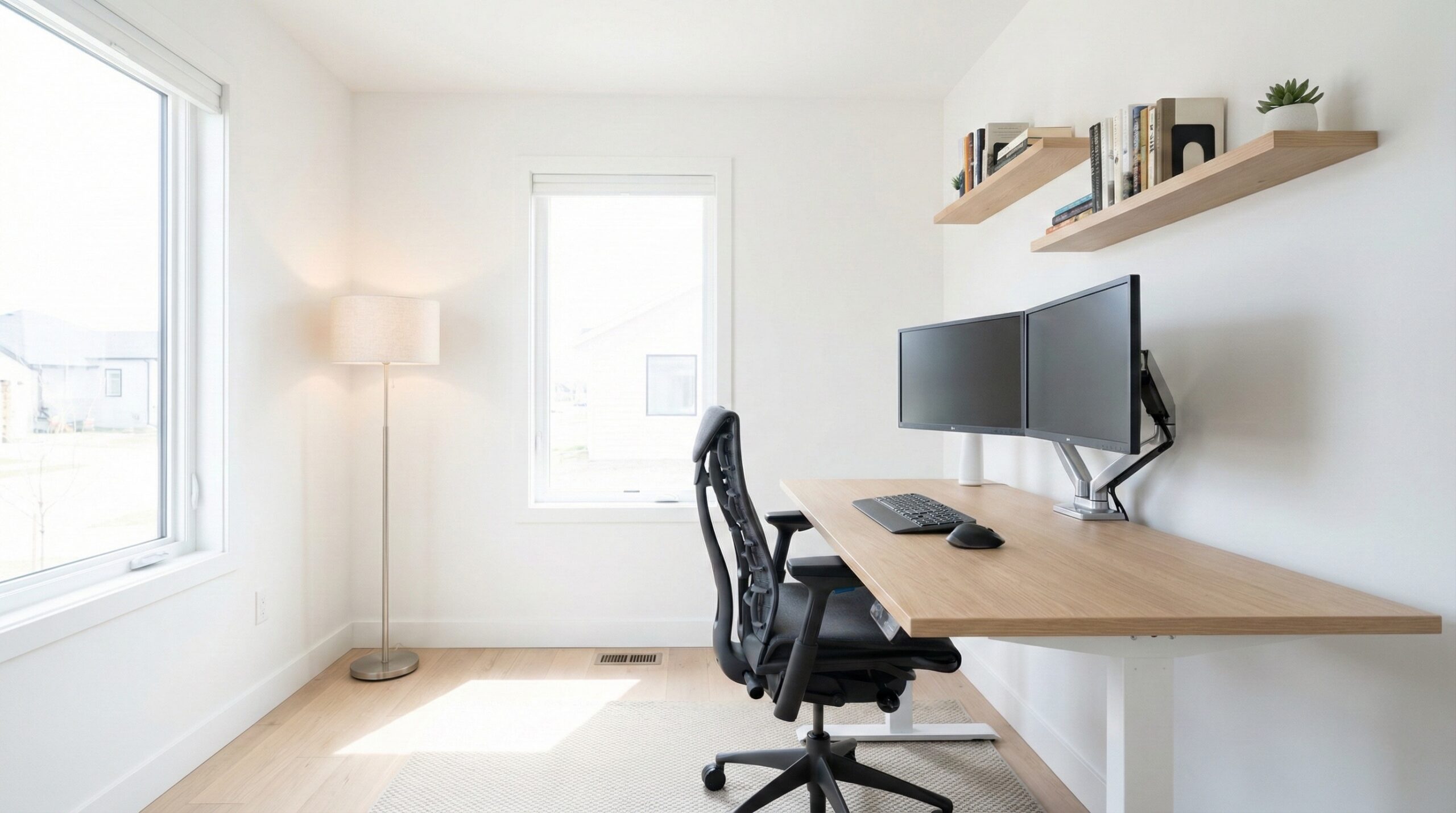
TL;DR
If you want the closest mainstream swap for Anthros, the Herman Miller Aeron is the clearest place to start — especially if you want breathable support, long-session comfort, and easier access through new, used, or refurbished listings. For most shoppers, the smartest move is not chasing the chair with the most marketing around posture, but finding one that matches how you actually sit and comes with a solid return policy.
What Anthros Alternatives Actually Is
When people search for Anthros alternatives, they usually are not looking for just any office chair. They are looking for a chair that aims at the same end result: better posture support, more stable pelvic positioning, less lower-back aggravation, and a setup that feels sustainable through a full workday. In plain terms, this category is best understood as posture-focused ergonomic seating rather than plush executive seating or basic task chairs.
The formula is pretty simple: an Anthros alternative should combine a supportive seat, a backrest that encourages a neutral position without locking you into one rigid posture, and enough adjustment range to fit your desk setup and body proportions. That matters because comfort in this category is less about a soft first impression and more about pressure distribution, lumbar behavior, arm placement, and how the chair moves with you over six to ten hours.
There are usually two buyer intents behind this search. The first is price: Anthros sits in a premium tier, so plenty of shoppers want similar ergonomic outcomes for less money. The second is fit and feel: some people like the idea of posture-centered seating but want a more established mesh task chair, a different recline style, or something easier to find used. That is why premium refurbished inventory often enters the conversation. A vetted refurbished chair can sometimes make more sense than a brand-new midrange model if long-term support and durability matter more than showroom appeal.
It also helps to set expectations. Research and ergonomics guidance suggest that a chair can reduce strain, but it is rarely a complete fix by itself. Desk height, monitor placement, keyboard position, foot support, and regular movement all matter too. Both OSHA computer workstations and OSHA workstation chairs emphasize fitting the whole workstation, not just upgrading one component. That lines up with what a certified ergonomist or occupational therapist would usually say: the right chair can help, but only if it fits your body and your setup.
So the best Anthros alternative is not automatically the chair with the biggest spec sheet. It is the one that supports your main sitting style — upright task work, mild recline, or frequent shifting — while giving you dependable adjustment and a low-risk way to test fit at home.
Who Anthros Alternatives Fits Best
Anthros alternatives fit best for home office workers who care more about posture support and all-day function than about thick cushioning or a lounge-like feel. If you sit for long stretches doing focused desk work, and you already know that soft seats tend to feel nice at first but leave you fidgeting later, this category makes sense. It is also a strong fit if you are trying to reduce aggravating factors around your lower back or pelvis without assuming a chair alone will solve the problem.
The most obvious good fit is the buyer who wants premium ergonomics but does not want to spend full Anthros money. That is where chairs like the Herman Miller Aeron become appealing, especially through reputable refurbished sellers. It is one of the better-known premium options for people who want durable support, airflow from mesh, and a design with a long track record. Buyer feedback also points in that direction: “It is amazingly comfortable. It supports the lumbar so good.” — verified buyer, 5 stars.
This category also works well for people who run warm. Mesh-heavy designs can be a better fit than padded seats if heat buildup ruins long sessions for you. Likewise, if you prefer a chair that supports upright computer work rather than inviting you to sprawl, many Anthros substitutes in the premium ergonomic lane make more sense than softer cushioned office chairs.
Another good-fit scenario: you are open to used or refurbished premium seating and care about value over having a factory-fresh chair. That can be especially smart for buyers who want a higher-end frame, stronger adjustment hardware, and a product line with proven parts support. In many cases, a good refurbished premium chair beats a new midrange chair on long-term use.
Finally, Anthros alternatives are a good match for shoppers willing to do a little setup work. Evidence from ergonomics guidance indicates that even a great chair underperforms if your desk is too high, your elbows are unsupported, or your monitor position makes you crane forward. Resources like Cornell ergonomics research and OSHA’s workstation guidance reinforce that fit and adjustment matter as much as the chair model itself.
Who Should Skip Anthros Alternatives
You may want to skip this category if what you really want is a soft, cushy chair for casual sitting rather than a posture-oriented work chair. Many alternatives people cross-shop against Anthros are intentionally structured. That can be great for focused work, but it can feel too firm, too corrective, or too specific if you mainly want something forgiving and plush.
It is also worth skipping premium alternatives if you are not willing to adjust the chair carefully or rethink your workstation setup. Ergonomic chairs often have a learning curve. If you set one up poorly, the result can be disappointing or even create new pressure points in the thighs, hips, or upper back. That is especially true with chairs designed around active support rather than deep foam padding.
Buyers shopping refurbished should also be realistic about risk. The value can be excellent, but refurbishment quality is not always consistent from seller to seller. One critical review on the Aeron side captures the concern clearly: “The fabric frames were poorly replaced & installed incorrectly. They fell apart so you cannot use the fabric seat.” — verified buyer, 1 stars.
You should probably skip this route if you need a chair to act like medical treatment. Persistent back, hip, or nerve symptoms deserve guidance from a clinician, and a chair should be seen as one part of a broader ergonomics strategy. A certified ergonomist, occupational therapist, or your care team may be more helpful than shopping alone if pain is driving the entire purchase.
Finally, this category may not fit buyers who dislike mesh or who want frequent posture changes without any sense of structure. Some Anthros alternatives, especially benchmark task chairs, can feel excellent in one primary mode of sitting but less flexible for people who constantly perch, tuck a leg, or shift into informal positions.
Price and Value
Price is a major reason people start looking beyond Anthros. In this search, value usually comes from one of three paths: buying a mainstream premium chair that offers similar ergonomic confidence, buying that same kind of chair refurbished for less, or choosing a different support style that better fits your body even if it is not a direct design match.
Based on the available product pricing here, the Herman Miller Aeron in refurbished or reseller form lands around $650 to $700. That puts it well below what many buyers expect to pay for a new flagship ergonomic chair, while still keeping you in a premium tier. If your goal is to get close to the “worth it” experience without paying top-shelf new-chair pricing, that is a compelling range.
The catch is that value is not the same thing as a low sticker price. A cheaper chair that looks ergonomic on paper can end up costing more if the seat foam collapses, the recline feels wrong for your work style, or replacement parts are hard to source. By contrast, a well-refurbished premium chair can make better financial sense if it lasts longer and holds its support over time.
That is why we would prioritize return policy, warranty coverage, and refurbishment quality over headline savings. A bargain is less impressive if you end up replacing arm pads, a cylinder, or seat components right away. For used and renewed chairs, ask who performed the refurbishment, what parts were replaced, and what happens if the chair arrives with issues.
For many home office buyers, the best value play is not “cheapest Anthros lookalike.” It is “most reliable ergonomic fit for the money.” If the Aeron works for your body, it often lands in that sweet spot because it is widely available, recognizable, and easier to shop secondhand than more niche premium options.
Common Mistakes When Trying Anthros Alternatives
The biggest mistake is assuming any premium ergonomic chair will feel right on day one without adjustment. These chairs often need dialing in. Seat height, arm position, lumbar tension or back support, and recline behavior all affect whether the chair actually reduces strain. If you skip setup, you may blame the chair for problems caused by poor fit.
Another common mistake is buying based on general hype instead of your real sitting style. If you mostly sit upright and type for long blocks, you should lean toward a chair built for stable task work. If you recline often, run hot, or want more airflow, mesh may make more sense. If you move constantly and hate feeling locked in, a more movement-friendly design could be better. Buyers often overspend on a “best” chair that is simply the wrong category for how they work.
People also underestimate size fit. Premium ergonomic chairs often come in multiple sizes or have geometry that works better for certain builds. A wrong-size chair can throw off seat depth, back contact, thigh pressure, and arm alignment. That can undo the whole reason you were shopping for posture support in the first place.
Shopping refurbished introduces its own mistakes. Many buyers focus too much on cosmetic condition and not enough on the basics: cylinder stability, seat integrity, arm wear, hardware tightness, and whether adjustment controls work smoothly. Home office worker reviews show why this matters. One buyer’s positive summary—“It is amazingly comfortable. It supports the lumbar so good.” — verified buyer, 5 stars — shows the upside when the chair arrives in good shape. But the category only delivers on that promise if refurbishment is done well.
A final mistake is expecting the chair to fix a bad workstation. Evidence from CDC NIOSH ergonomics and OSHA guidance points to the same idea: chair setup, desk height, keyboard position, and monitor placement work together. If your shoulders are shrugged because the desk is too high, or your feet dangle because the seat is too tall, even a very good chair can feel wrong.
FAQ
What is the closest mainstream substitute for Anthros?
For most shoppers, the Herman Miller Aeron is the clearest mainstream starting point. It is not an exact copy of the Anthros feel, but it overlaps where many buyers care most: all-day ergonomic support, premium build quality, and strong availability through used and refurbished channels.
Are refurbished chairs worth it when shopping for an Anthros substitute?
Yes, often. Refurbished premium chairs can offer better long-term value than buying a brand-new midrange chair, especially if support, durability, and parts availability matter to you. The key is choosing a reputable seller with a real return window, clear refurbishment standards, and warranty coverage.
Can an ergonomic chair fix lower-back or pelvic pain by itself?
No. A better chair can reduce some aggravating factors, but it is not a guaranteed fix for pain. Persistent symptoms are better addressed with guidance from a clinician, occupational therapist, or certified ergonomist, and your workstation setup still needs to be adjusted correctly.
Should I choose mesh or cushioned seating as an alternative?
Choose mesh if you run warm, sit for long stretches, and want support that does not depend on thick foam. Choose cushioned seating if you prefer a softer first impression, but still look for structured support underneath so the chair does not flatten out over time.
How do I know if a chair matches my sitting style?
Start by being honest about how you work most of the day. If you stay upright and type, prioritize stable task-chair support. If you recline often, pay attention to how the backrest and tilt mechanism behave. If you shift constantly, a chair that allows more movement may fit better than one that feels highly prescriptive.
What should I check before buying a used or renewed premium chair?
Check the product label, chair size, adjustment controls, arm pads, cylinder stability, casters, seat condition, and return policy. Ask whether key wear parts were replaced and who handles defects after delivery. These details matter more than a small difference in asking price.
Does desk setup really matter as much as the chair?
Yes. The chair is only one part of a usable home office. OSHA and Mayo Clinic guidance both emphasize supported feet, elbows around a right angle, and a monitor position that reduces neck strain. If you want a practical checklist, start with OSHA computer workstations and then compare your setup against clinician-backed office ergonomics advice from Mayo Clinic.
When should I get expert help instead of just buying another chair?
If your pain is persistent, worsening, or tied to numbness, tingling, or clear mobility limits, it makes sense to pause the chair hunt and consult a clinician. If the issue seems more about fit and daily setup, a certified ergonomist or occupational therapist can often help you adjust your workstation more effectively than trial-and-error buying.
Looking for these on Amazon? Browse anthros alternatives on Amazon →
Bottom Line
If you are shopping for an Anthros alternative, start with premium ergonomic chairs known for dependable posture support and long-term adjustability, with the Herman Miller Aeron as the most obvious first stop for many buyers. If your budget is tighter, a reputable refurbished premium chair is usually a smarter bet than a cheaper new chair that only imitates ergonomics.
The right pick depends on your sitting style, body fit, and how safely you can test the chair at home. Focus on fit, adjustment, and return policy — not promises that a chair alone will solve pain.
Affiliate disclosure: This page includes affiliate links. Purchases through these links support our work at no added cost.