TL;DR
If you want an Alienware alternative, start by looking at value-focused gaming lines like Lenovo Legion, ASUS ROG, and Dell G-series before paying a premium for the Alienware badge. In most cases, the better buy comes down to cooling, sustained performance, display quality, upgrade flexibility, and support — not just whether two systems list the same GPU.
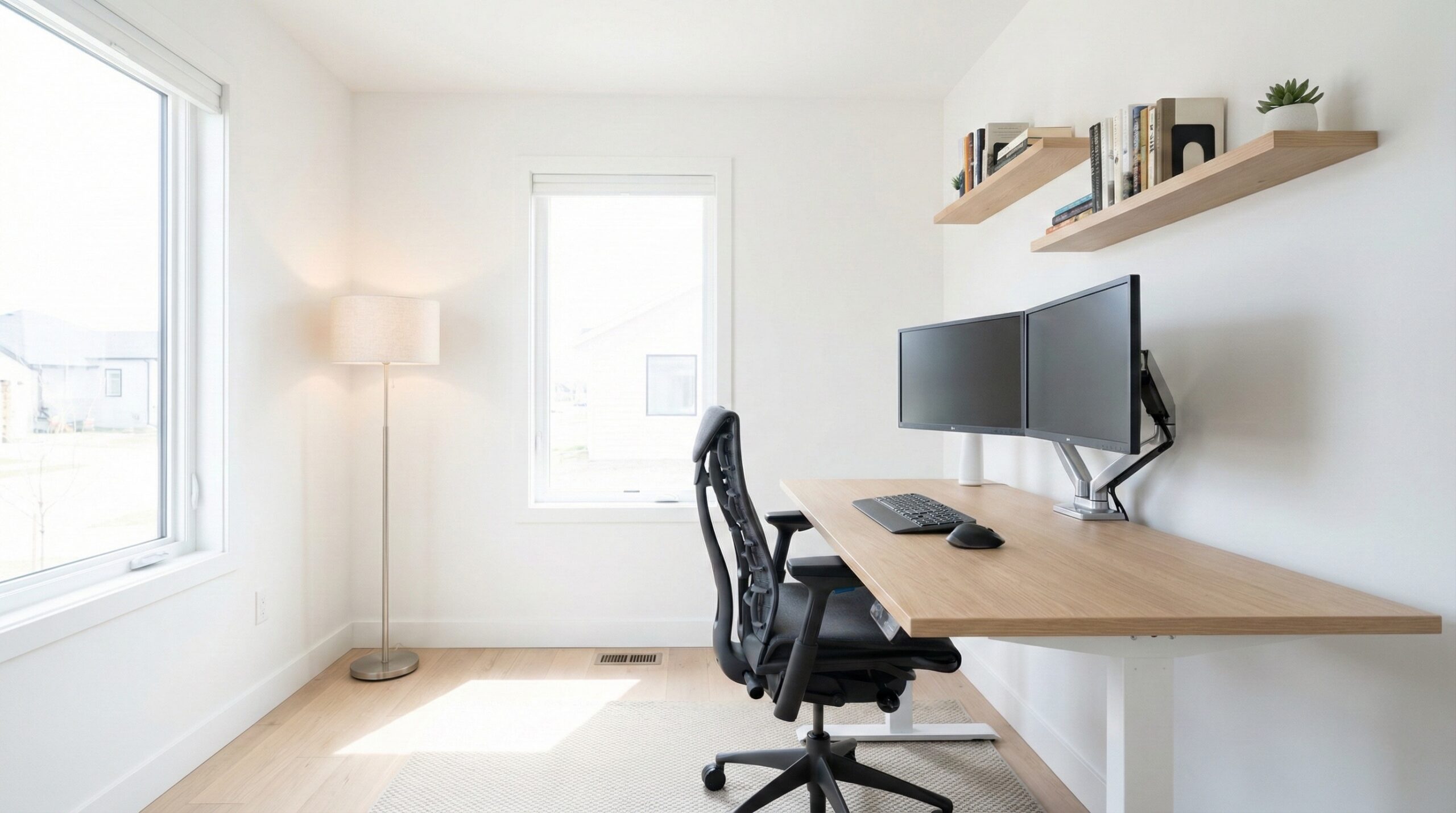
For home office buyers who also game, the smartest move is to treat these machines as both work tools and entertainment devices. That means checking keyboard comfort, fan noise, battery life, and repairability alongside frame rates.
What Alienware Alternatives Actually Is
Alienware alternatives are gaming laptops or desktops from other brands that aim to deliver a similar level of performance, build quality, or overall experience without necessarily charging Alienware-level prices. In practical terms, that usually means comparing systems from Lenovo Legion, ASUS ROG, Acer Predator, HP Omen, MSI, Dell G-series, and custom or standard-parts desktop builders against Alienware’s premium gaming lineup.
The idea is simple: many shoppers like Alienware’s styling and reputation, but want to know whether they can get equal or near-equal real-world performance for less money. That question matters because two machines with similar headline specs can behave very differently in daily use. A laptop with the same RTX-class GPU as an Alienware model may run slower if its cooling system is weaker, if the chip is set to lower power limits, or if the chassis gets too hot and starts throttling during longer sessions.
That is why the best alternative is rarely the one with the flashiest spec sheet. It is usually the one that balances five things well: sustained performance, thermal control, screen quality, day-to-day usability, and long-term value. Notebook-focused reviewers like Notebookcheck and display/performance testers like RTINGS are useful because they show how systems hold up beyond a short benchmark burst.
For home office users, there is another layer. A gaming laptop that doubles as your work machine needs to be comfortable for long desk sessions. Guidance from OSHA computer workstations and Cornell ergonomics research supports looking beyond raw power and paying attention to posture, screen placement, keyboard setup, and noise fatigue. In other words, if your “Alienware alternative” will also handle spreadsheets, calls, creative apps, or schoolwork, the right choice is the system that fits your whole routine — not just your game library.
In formula terms, a strong Alienware alternative looks like this: comparable gaming power + better price-to-performance + acceptable thermals + a good display + support you can live with. If one of those breaks down, the bargain can stop looking like a bargain fast.
Who Alienware Alternatives Fits Best
Alienware alternatives fit best for shoppers who care more about practical value than premium branding. If your budget is fixed and you want the strongest mix of CPU, GPU, display, and storage for the money, looking outside Alienware usually makes sense. This is especially true when sale pricing brings Lenovo Legion, ASUS ROG, HP Omen, or Dell G-series models into a lower price band than a similarly specced Alienware machine.
They are also a strong fit for hybrid users: people who game after hours but still need the machine for work, school, editing, or general home office use. In that situation, details like keyboard comfort, webcam quality, charger size, battery life, and fan noise matter a lot. A laptop that posts big benchmark numbers but runs hot and loud during normal office tasks can wear on you over time. Research-backed ergonomics guidance from CDC NIOSH ergonomics suggests that comfort and workstation fit have a real effect on how tolerable long sessions feel, so it is worth thinking about the system as a daily driver, not just a gaming device.
Desktop buyers who care about future upgrades are another good match for Alienware alternatives. If you expect to swap the PSU, add cooling, replace the motherboard later, or keep the case for several hardware generations, a system built around more standard components is often the safer bet. That matters more in a home office where a machine may stay in service for years and gradually shift from gaming focus to mixed productivity use.
Budget-sensitive buyers are the clearest audience. The one verified option in our input, the Dell G7 17 Gaming Laptop, sits around $1400 to $1500, which shows how quickly gaming systems can become expensive even outside Alienware. At that level, many shoppers will want to compare whether the extra money buys better cooling, a brighter display, more storage, or simply a brand premium.
Alienware alternatives are usually right for you if:
- You want the best performance possible at a firm budget.
- You care more about thermals and value than premium chassis design.
- You need a gaming laptop that can also serve as a work or school machine.
- You want a desktop with standard parts that may be easier to upgrade later.
- You are willing to compare support policies instead of buying on brand reputation alone.
They can also suit buyers who prefer a more understated look. Some gaming systems now offer cleaner styling than the older “aggressive gamer” design language, which can matter if the laptop sits in a shared office, classroom, or client-facing space.
Who Should Skip Alienware Alternatives
You may want to skip Alienware alternatives if you specifically value Alienware’s industrial design, brand identity, bundled software, or support options enough to justify paying more. In some cases, premium pricing does come with benefits beyond raw hardware. If you have had good experiences with Dell and prefer staying inside that ecosystem, an alternative may look better on paper than it feels in ownership.
You should also be cautious if your work depends on dependable service turnaround. A cheaper machine stops being a good value if a repair leaves you stuck for weeks. For students, remote workers, and anyone using one system for everything, support quality can matter more than a slight frame-rate advantage.
Battery-focused buyers should often skip this whole category, not just Alienware alternatives. Gaming-class laptops tend to be heavy, noisy under load, and weak on unplugged endurance compared with mainstream productivity laptops. If you truly need all-day mobility, you may be better served by a thinner performance notebook and a separate desktop or console for gaming.
Shoppers who only compare GPU names should be careful too. The biggest mistake in this category is assuming that two laptops with the same graphics chip will perform the same. Cooling, power limits, fan tuning, and chassis size can change the experience a lot. Evidence from major review labs consistently points to sustained testing as the better indicator of what you will actually live with during longer gaming or rendering sessions.
The same goes for office comfort. If loud fans and warm palm rests bother you, an aggressively tuned gaming laptop may be a poor fit no matter how good the sale price looks. Guidance from CDC NIOSH workplace noise is a useful reminder that noise can affect concentration in work settings, especially if the machine sits close to you all day.
You should probably skip Alienware alternatives if:
- You are happy to pay more for premium brand feel and design.
- You want best-in-class support and know a specific premium service plan works for you.
- You need exceptional battery life above all else.
- You dislike fan noise, heat, or bulky chargers.
- You want a very light machine for primarily office travel rather than gaming.
Price and Value
Price is the main reason most shoppers start looking for Alienware alternatives in the first place. Alienware systems often sit at the premium end of the gaming market, and that premium is not always matched by a large real-world performance lead. In many cases, similarly specced competitors undercut Alienware on price while matching it closely enough in gaming speed that the difference is hard to justify unless you strongly prefer the brand.
Based on the product pricing provided here, the Dell G7 17 Gaming Laptop falls in the $1400 to $1500 range. That is useful as a reference point because it shows where upper-midrange to premium gaming laptops can land even outside the Alienware line. At this level, value is less about finding the cheapest option and more about making sure every dollar goes toward things you will notice: a better panel, stronger cooling, quieter fans, more storage, better ports, or easier service.
Here is the basic value framework we recommend:
- Under the same budget: Favor the system with better sustained performance and cooling over the one with the slightly higher listed GPU but poor thermal headroom.
- For mixed work and play: Spend extra on display quality, keyboard comfort, and noise control before paying for cosmetic extras.
- For desktops: Give real value points to standard components and easier future upgrades.
- For long-term ownership: Include warranty terms, repair access, and brand service reputation in the total cost picture.
Energy use can also matter if your gaming PC doubles as a long-hours office machine. ENERGY STAR guidance is worth checking when comparing desktops and monitors, especially if your system runs many hours a day. A power-hungry setup may not be a deal-breaker, but it is part of total ownership cost.
In plain terms, the best value Alienware alternative is usually the one that feels consistently good in real use, not the one that wins a short benchmark chart or lists one tier-higher silicon. A cheaper machine that runs hot, loud, and dim can feel worse every day than a slightly pricier one with better tuning.
Common Mistakes When Trying Alienware Alternatives
The biggest mistake is buying by spec sheet alone. GPU branding gets too much attention, while cooling design and power tuning often decide how fast the machine actually feels after 20 or 30 minutes of gaming. If you do not check for sustained performance, you can end up paying for hardware that never fully delivers.
Another common mistake is ignoring display quality. A lower-priced alternative may beat Alienware on raw specs but still disappoint if the screen is dim, color coverage is weak, or response times are poor. That matters even more for home office use, where a laptop may spend more time showing documents, browser tabs, and video calls than games.
Buyers also underestimate the daily impact of fan noise and heat. A machine can be technically powerful but still annoying to live with. For long desk sessions, comfort matters. Pairing a gaming laptop with proper screen height, an external keyboard, and a better chair setup can help; guidance from OSHA workstation chairs is a good reminder that the workstation around the computer affects comfort just as much as the computer itself.
A fourth mistake is forgetting upgradeability. Desktop shoppers should check whether parts are standard and easy to replace. Laptop buyers should verify whether RAM and storage are accessible or soldered. A system that looks cheaper today can become expensive later if basic upgrades are limited.
Another frequent error is overlooking support. Before you buy, read user reports for issues like fan failures, dead pixels, thermal paste complaints, and slow customer service. One bad warranty process can wipe out the value advantage that made the alternative attractive in the first place.
Finally, some people buy a gaming laptop expecting ultrabook-like mobility. That usually ends in disappointment. These systems tend to be heavier, noisier, and shorter-lived on battery than standard office laptops. If travel and unplugged work matter more than gaming power, choose accordingly.
In short, avoid these mistakes:
- Comparing GPUs without comparing wattage, cooling, and throttling.
- Ignoring brightness, color, and panel quality.
- Assuming all gaming laptops are equally usable for office work.
- Forgetting to check RAM and storage upgrade paths.
- Choosing the lowest price without checking warranty and repair experience.
FAQ
Are Alienware alternatives usually cheaper?
Often, yes. Many buyers find Lenovo Legion, ASUS ROG, HP Omen, Acer Predator, or Dell G-series models with similar class CPUs and GPUs at lower sale prices than Alienware. The key is to compare total package value, including screen quality, thermals, and support, instead of assuming a lower sticker price is automatically the better deal.
What is the best Alienware alternative for value?
The best value pick is usually the system with strong sustained performance, good cooling, a solid display, and support you trust in your budget. That means a slightly lower-tier GPU in a well-cooled laptop can be a smarter buy than a higher-tier GPU in a chassis that runs hot, loud, or throttles quickly.
Are Alienware desktops harder to upgrade?
They can be, depending on the generation and internal design. Buyers who care about long-term flexibility often prefer desktops built with standard motherboards, power supplies, cases, and cooling parts because they are easier to swap or replace over time. If upgradeability is a top priority, inspect the parts layout before you buy rather than assuming all desktops are equally modular.
Should I prioritize cooling over the highest listed GPU?
In many cases, yes. A better-cooled machine with stable wattage can outperform or at least feel more consistent than a hotter system with a nominally stronger GPU. This is especially important if you game for long sessions, render video, or work in a warm room where thermal limits show up faster.
Do Alienware alternatives make sense for home office use too?
They can, especially if you need one machine for work and gaming. Look for a comfortable keyboard, decent webcam, practical ports, tolerable fan noise, and a display that is bright enough for daytime productivity. For better comfort, set up the machine in line with OSHA computer workstations guidance, especially if you use it for long desk sessions.
Is battery life a deal-breaker on gaming laptops?
It depends on how you use the machine. If you mostly work near an outlet, average battery life may be acceptable. If you need long unplugged office or school use, gaming laptops are often a compromise, and you should compare real productivity runtime tests rather than manufacturer claims.
Is paying more for better support worth it?
Usually, yes — if the laptop or desktop is expensive or essential to work or school. A better warranty, easier parts access, or faster turnaround can be worth more than a small performance edge. For buyers who rely on one system for everything, support quality is part of the product, not an afterthought.
Looking for these on Amazon? Browse alienware alternatives on Amazon →
Bottom Line
The best Alienware alternatives usually offer stronger price-to-performance, but the right pick depends on more than matching the badge or GPU tier. Focus on cooling, sustained speed, display quality, upgrade flexibility, and support, and you will usually make a better decision than shopping by spec sheet alone.
If you love Alienware’s design and service options, paying extra can still make sense. But for most buyers — especially home office users who also game — value-focused rivals are often the smarter place to start.
Affiliate disclosure: This page includes affiliate links. Purchases through these links support our work at no added cost.